What lens should beginners use, and how should they take photos?
 Therfilm Studio
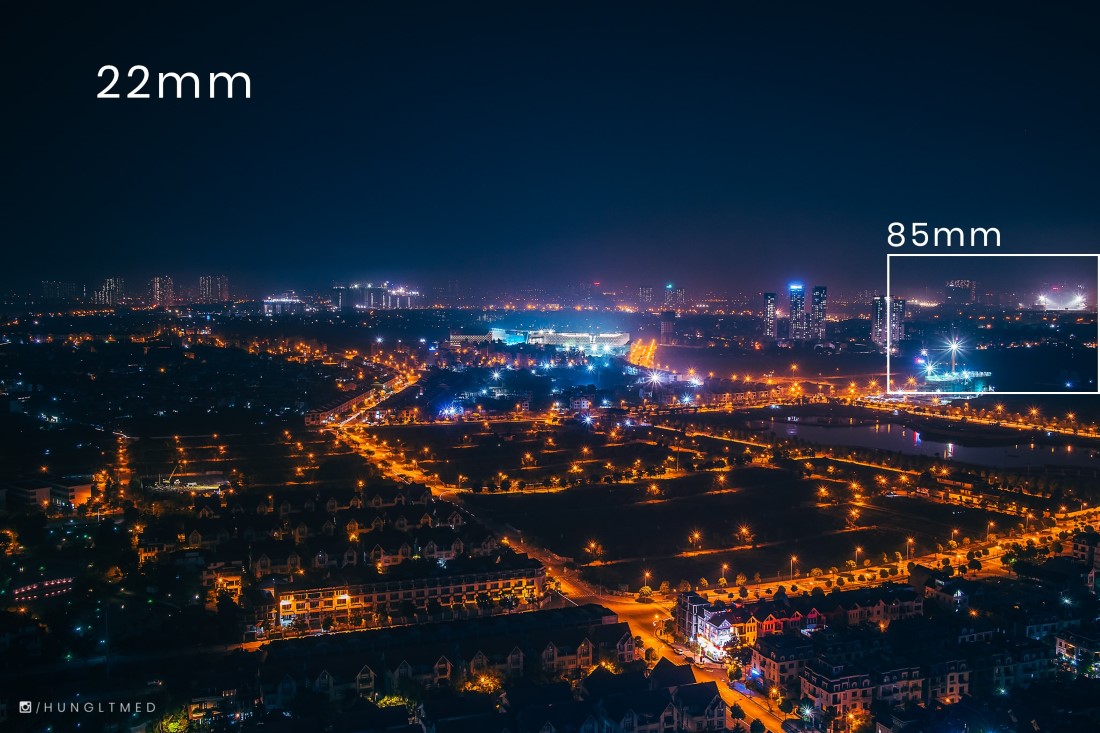
Whether you’re an expert or a beginner, a pro or a novice, photography speaks through images 😃 Not everyone is rich, and not everyone has an understanding spouse, so if you have a potato, shoot with a potato; if you have a phone, shoot with a phone—just shoot with whatever you have. Today, let’s share our experiences shooting people with different types of lenses, equipment, focal lengths, and apertures to make the most of them.
Mục Lục
1. Kit Lens:
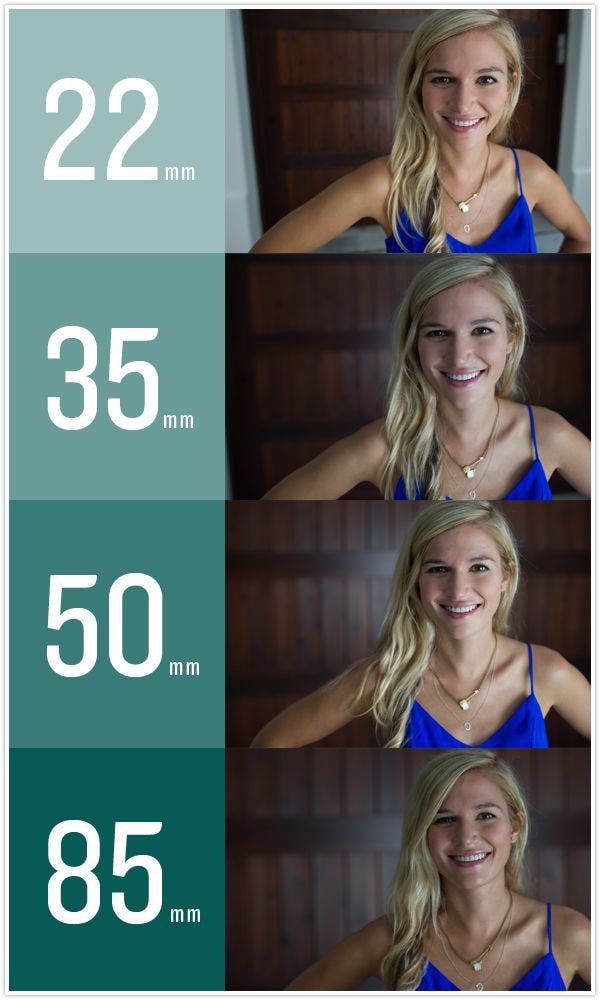
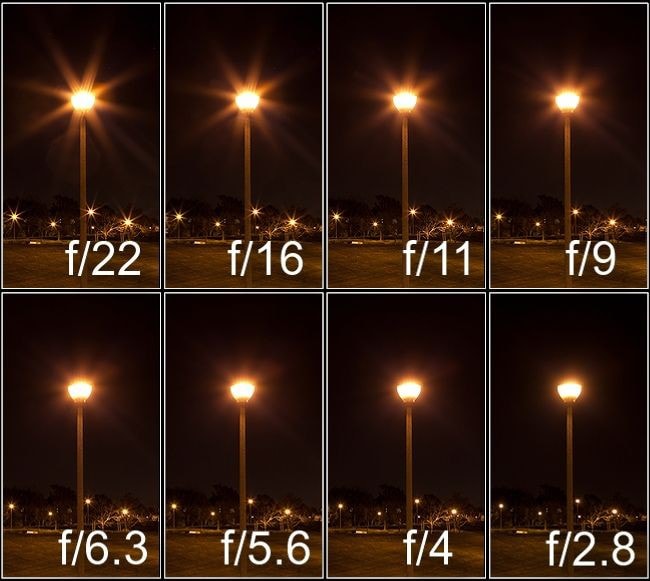
This is the most challenging and most common scenario. To achieve the best possible background blur: zoom in as far as possible, open the aperture as wide as possible, shoot a half-body shot, and have the subject stand far from the background. (Also apply tip 2 below).
2. Versatile prime lens (22mm–30mm):
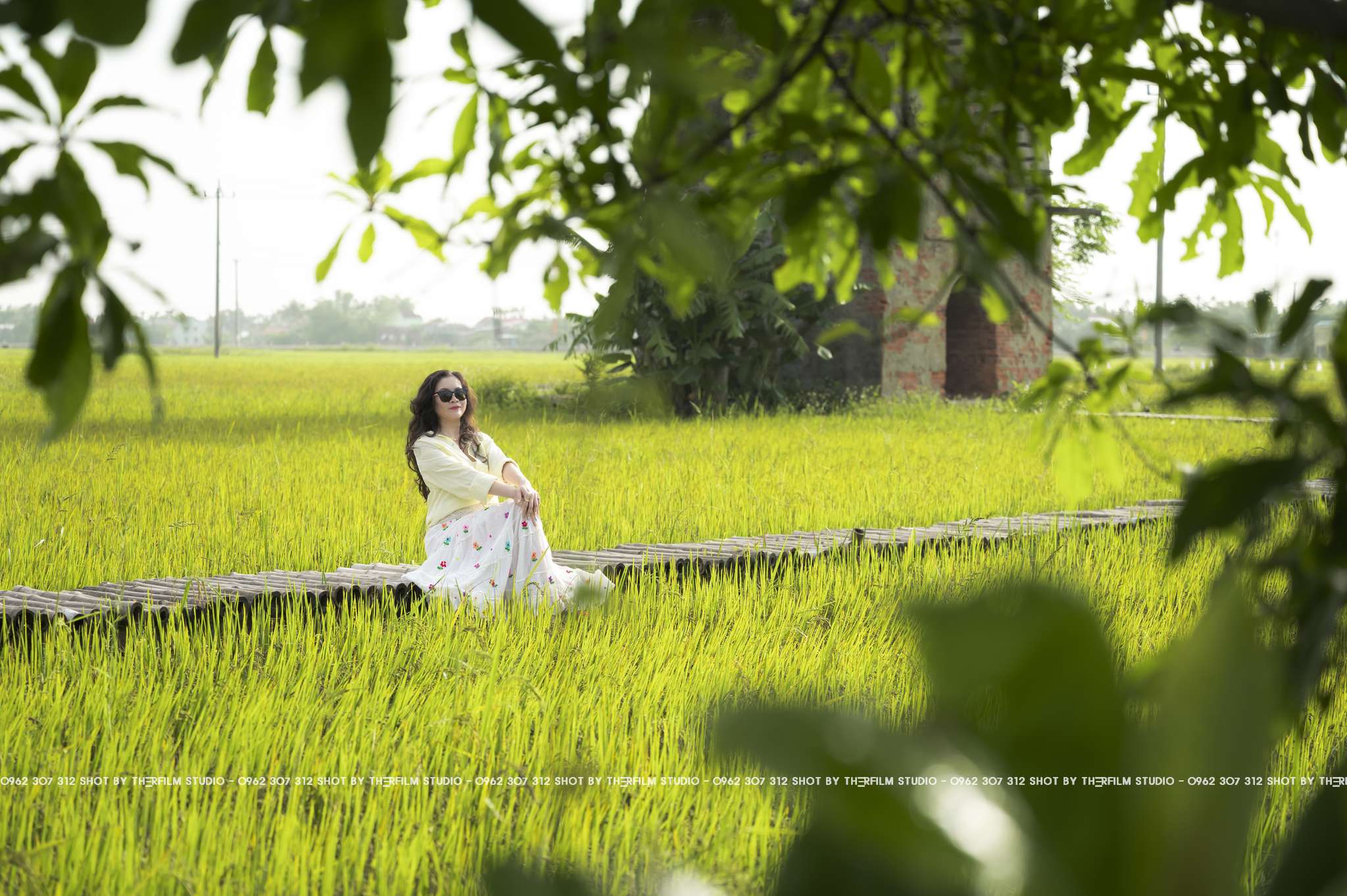
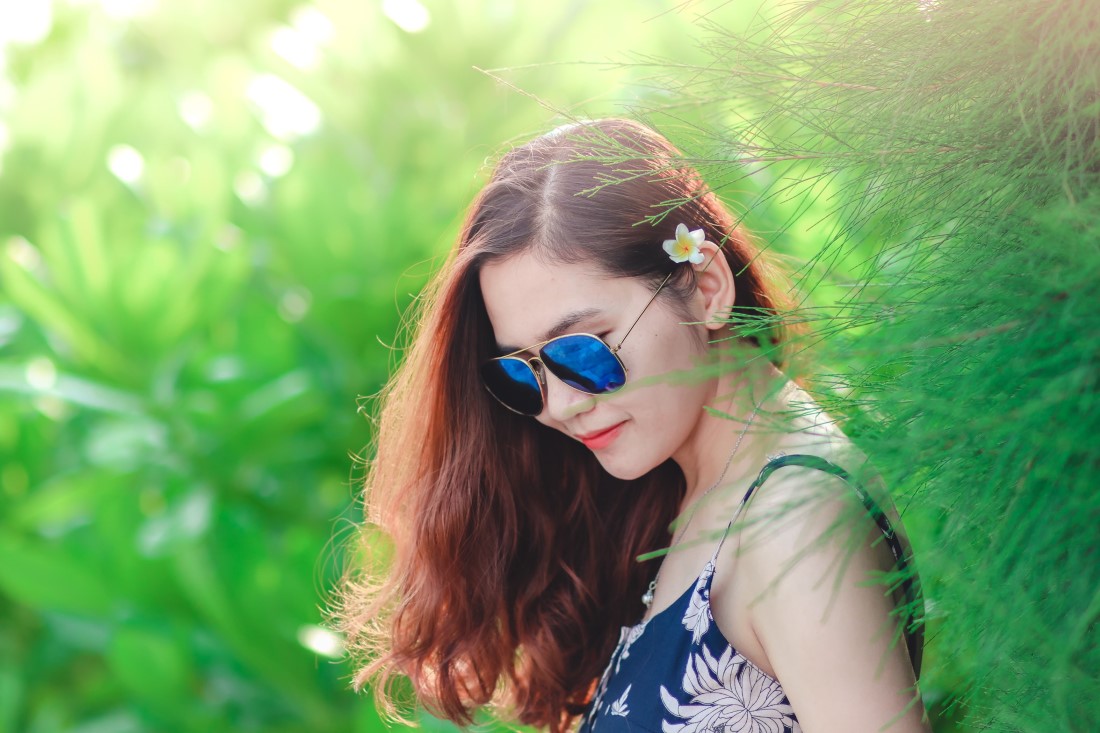
Look for a foreground! Find some leaves, a wall, a string of lights, or a window to partially block the frame. Blurring this area will add depth to the photo. (Also apply Tip 3 below).
3. Portrait Lens (50mm–85mm):
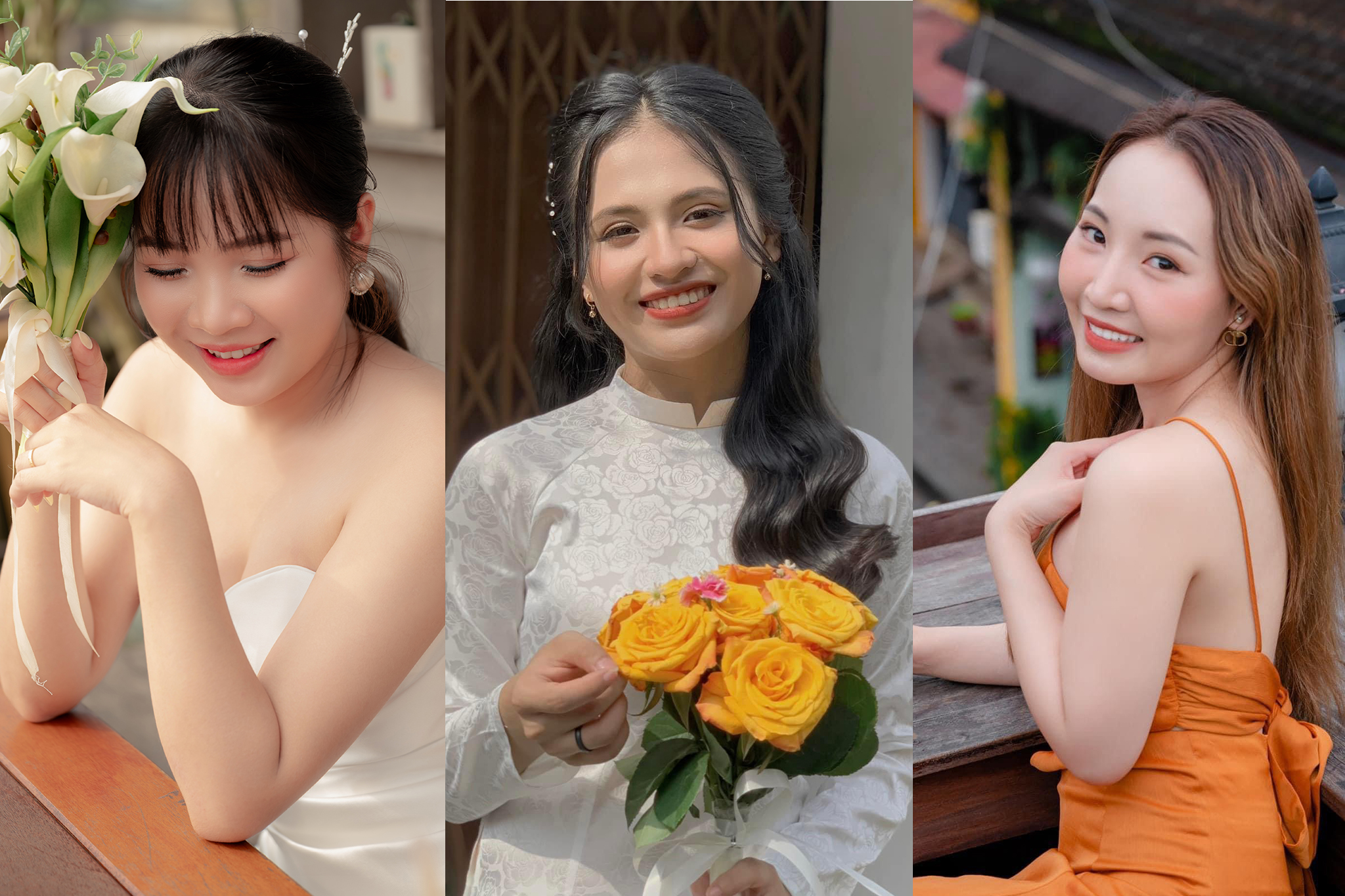
This one’s easier, but just blurring the background can get a bit monotonous, so take some close-up shots of the model’s hands holding leaves, running a finger through their hair, or their lips to make the photos more dynamic. (You can also apply Tip 4 below).
4. Telephoto lens:
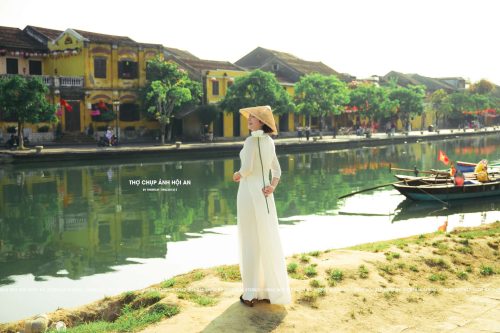
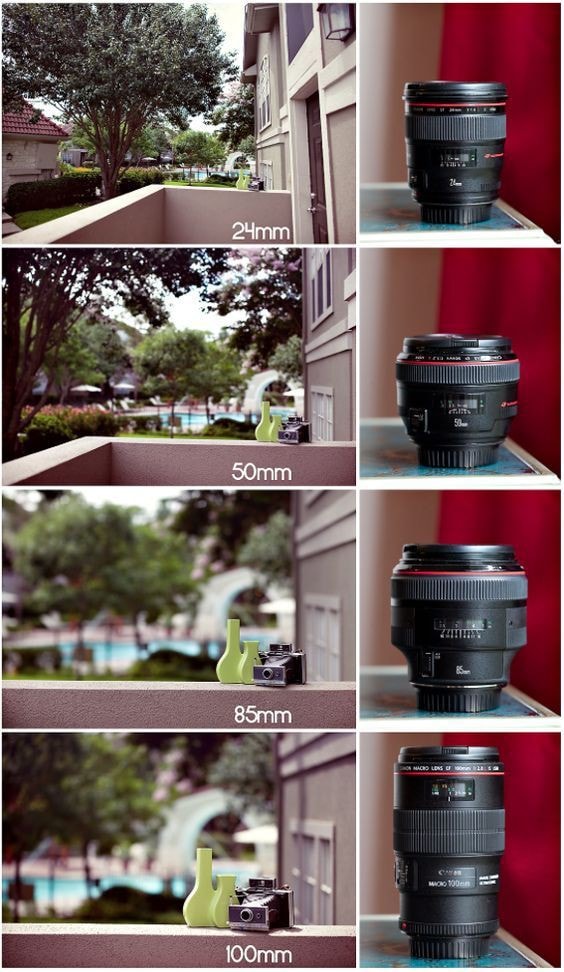
It’s meant for close-ups, but in reality, a telephoto lens actually produces even more stunning results when used for full-body shots or wide-angle views, so make the effort to step back and shoot the model from a distance.
5. Wide-angle lens/wide-angle kit lens:
These are typically used for wide-angle shots, but try getting closer—the focal length effect elongates the model’s legs, significantly enhancing the drama of the image. Unless you have a specific intention, it’s best to position the model in the center of the frame.